
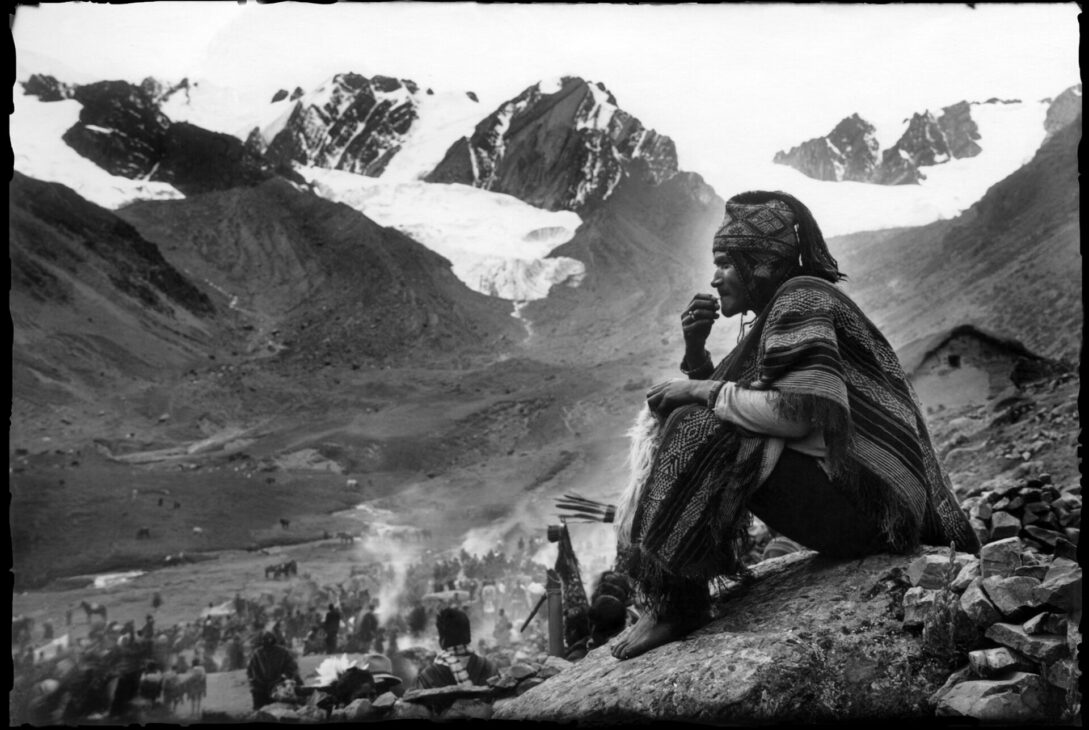
¿De qué manera el saqueo colonial no se limitó al oro y la plata, sino que incluyó también el conocimiento indígena? ¿Cómo ese saber, apropiado y transformado, alimentó la acumulación de capital en la Europa moderna? Si estas preguntas te interpelan, este artículo ofrece una mirada incisiva y necesaria para entender ese “otro botín” del colonialismo moderno. Santiago Liaudat y Julián Carrera presentan un análisis innovador, en base a fuentes históricas, que problematiza la relación entre imperialismo, explotación del conocimiento y capitalismo.

Abstract
This paper examines the exploitation of Indigenous knowledge during Spanish colonisation in the sixteenth century, offering a distinctive perspective on the economic dimension of non-European knowledge as a means of capital accumulation in modern Europe. Unlike previous studies that emphasise the unacknowledged contributions of Asian, African, and American peoples to modern science, this work investigates more closely the relationship between knowledge and the economy. It introduces a novel theoretical framework–cognitive materialism–to analyse this connection and incorporates insights from decolonial theory, given the specific colonial context under consideration. In addition, the paper provides two conceptual clarifications: first, it distinguishes the exploitation of knowledge from other potentially ambiguous categories; second, it addresses the effects of scientific mediation. Drawing on this theoretical approach, the study analyses sources from the early colonial period and identifies six cases of Indigenous knowledge exploitation.
Liaudat, S.; Carrera, J. . (2025). The Other Colonial Booty: The Exploitation of Indigenous Knowledge during 16th Century from a Cognitive Materialist Perspective. Wirapuru, vol. 11, p. 34-58. Disponible en SEDICI. Repositorio Institucional de la UNLP.
Se puede leer una versión previa en español aquí. Y en mi canal de YouTube se encuentra disponible este video sobre el tema. También puedes escucharlo en el podcast.
Last modified: 9 de diciembre de 2025






 Invitame un café
 Súmate al canal